
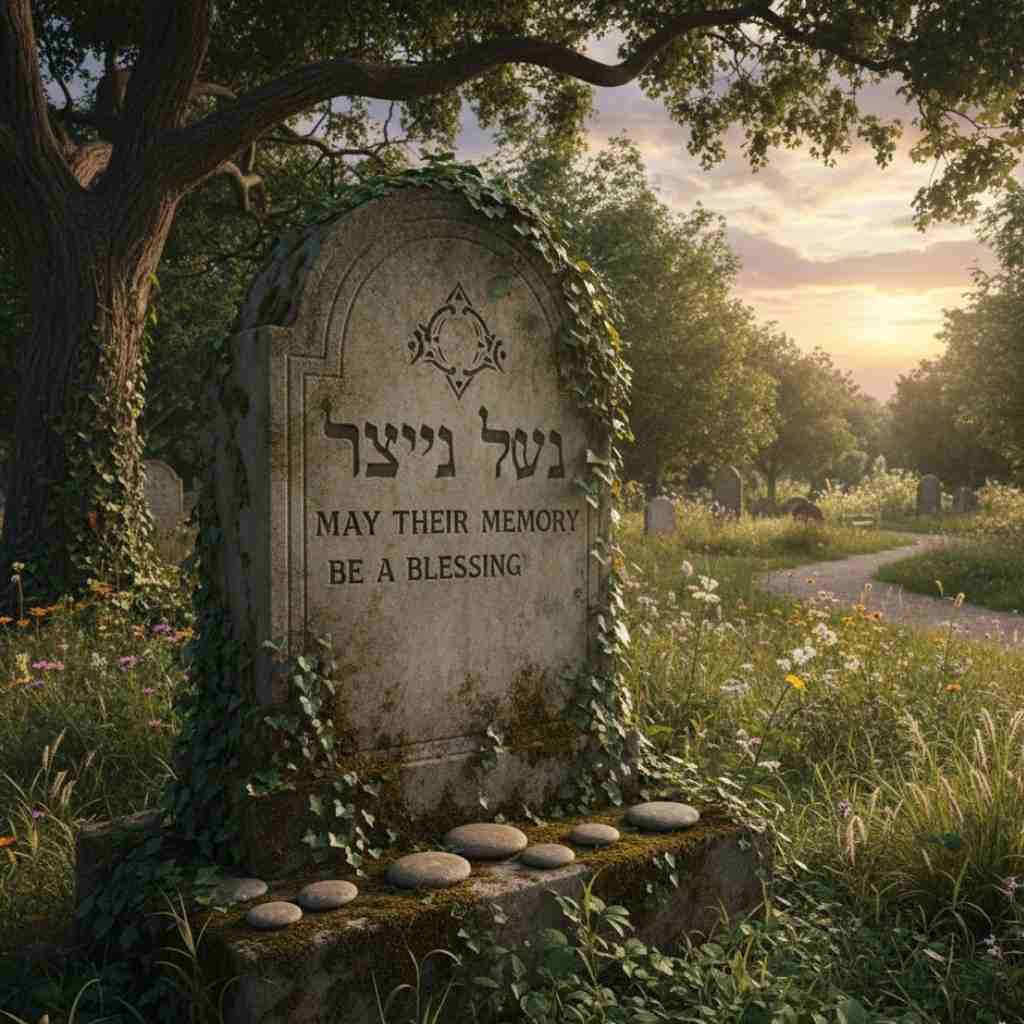

May Their Memory Be a Blessing: Understanding a Profound Jewish Tradition
The words hang in the air like a gentle benediction. Specifically, you often hear them spoken softly after mentioning someone who has died: “May Their Memory Be a Blessing.” In the Jewish community, this isn’t just a polite phrase. On the contrary, it is a profound spiritual declaration that represents hope, purpose, and an enduring connection.
If you wonder about its deeper meaning, you have come to the right place. The phrase “May Their Memory Be a Blessing” summarizes the core of Jewish thought on grief. It suggests that death is not an endpoint. Instead, it is a transformation.
In my years as a rabbi, I have seen these words offer immense comfort. Consequently, they shape the grieving process in unique ways. This phrase moves beyond mere sadness. Moreover, it invites us to engage with the lives of those we lost. We ensure their impact continues to ripple through time. It is a prayer, a commitment, and a hopeful perspective on loss.
What Does “May Their Memory Be a Blessing” Truly Mean?
At its heart, “May Their Memory Be a Blessing” is both a wish and an instruction. In Hebrew, we say “zichrono livracha” for a man or “zichronah livracha” for a woman. This tradition carries three distinct meanings:
-
Transforming Grief into Good: We should not just recall the deceased with sadness. For example, the phrase encourages us to do good deeds in their name. Therefore, their memory becomes a catalyst for kindness.
-
Perpetuating Impact: A person’s values do not vanish when they die. As a result, their essence continues to bless the world through our actions.
-
Finding Inspiration: Remembering can be painful. However, this phrase reorients that pain. It suggests that memory holds the potential for growth and light.
Every time we say these words, we make a promise. Specifically, we commit to ensuring that the person’s life continues to matter.
Jewish Origins: Where Did “May Their Memory Be a Blessing” Start?

Jewish tradition has linked remembrance with blessing across many centuries. To understand the phrase, we must look at its history.
-
Biblical Foundation: The Torah uses the word zachor (remember) frequently. In this context, remembrance usually requires action. Proverbs 10:7 provides the most direct source. It states, “The memory of the righteous is a blessing.”
-
Talmudic Development: Later rabbinic literature used the phrase to honor deceased sages. Eventually, the custom extended to everyone. Consequently, this reflects a universal respect for every human life.
-
Liturgical Use: Today, the phrase appears in memorial prayers like Yizkor. It reminds us that death does not sever spiritual bonds.
Understanding these roots makes the phrase more potent. Truly, it is a continuous thread in thousands of years of Jewish thought.
How the “Memory Be a Blessing” Concept Shapes Mourning
Jewish mourning practices guide people through grief while reaffirming life. Because of this, the phrase “May Their Memory Be a Blessing” is vital to the healing process.
A Shift in Focus
During the first week of mourning (Shiva), the focus is on raw pain. As time passes, however, the phrase shifts the emphasis. It acknowledges the loss but highlights the person’s ongoing influence. Thus, it asks us to live better because of them.
Active Remembrance in Rituals
Judaism encourages us to act on behalf of the deceased. For instance, we give tzedakah (charity) or learn Torah in their merit. These actions turn the concept of a “blessing” into something tangible. Consequently, we link the memory of the person to real-world outcomes.
[Personal Experience: I once counseled a family struggling with a sudden loss. I suggested they choose one of the deceased’s best qualities—perhaps her legendary patience. Whenever they felt sad, I told them to practice patience with a stranger. They later told me that “May her memory be a blessing” became a practical tool for healing rather than just a saying.]
Practical Ways to Honor a Blessed Memory

How do you actually “make” a memory a blessing? It requires intentionality and action.
-
Emulate Virtues: Strive to embody a characteristic you admired in them. If they were generous, then be more generous. Your growth becomes their legacy.
-
Give Charity: Donate to causes they loved. This extends their positive influence into the future.
-
Share Stories: Narratives keep a person’s spirit alive. Specifically, tell their stories to the next generation to inspire them.
-
Volunteer: If they care about animals, give your time to a shelter. This ensures their passions continue to bless the community.
Why the “May Their Memory Be a Blessing” Tradition Matters Today
Our modern world often rushes the grieving process. In contrast, the phrase “May Their Memory Be a Blessing” offers a robust framework for long-term healing.
-
It Resists Oblivion: Each time we say it, we refuse to let a life be forgotten.
-
It Offers Purpose: Mourners find a way to channel their pain into something constructive.
-
It Connects Generations: We build bridges between the past and the future. Thus, we transmit wisdom through the act of remembering.
I have seen this phrase empower people. It changes the perspective from “I have lost” to “I will honor.” Consequently, it turns sorrow into a sacred duty.
Lessons Learned: The Long-Term Impact of a Blessed Memory
The true impact of this tradition unfolds over many years. It is not a quick fix for grief. Instead, it is a lifelong orientation.
-
A Long-Term Guide: The blessing is felt in quiet moments. It helps people make difficult decisions based on the values of those who came before.
-
Identity Formation: For children, this phrase makes ancestors feel real. They become sources of ethical guidance.
-
Resilience Building: Focusing on “blessing” helps people navigate loss without despair. As a result, it helps us find light in the darkest times.
Final Thoughts: A Living Legacy
When you say, “May Their Memory Be a Blessing,” remember its weight. It is much more than a sympathy card greeting. On the contrary, it is a commitment to transform a person’s life into an enduring force for good.
Take the love and wisdom of those you have lost. Weave those threads into your own life. When you do this, their light continues to shine. Therefore, their legacy never truly ends. Instead, it continues to bless everyone who remembers.


